|
This video is a precious gem to listen, reflect on and meditate: teachings by Kyabje Dorje Chang Kalu Rinpoche Karma Rangjung Khunkhyab 🙏
0 Comments
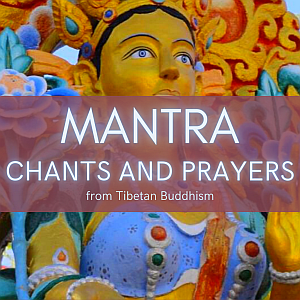 Get inspired by new age music with warm blessed healing sounds.
Concentrate and pacify the mind by reconnecting with your true nature. Relax, expand your mind and open your heart to bring peace to the world. Music to focus and calm down. Start your inner journey! Listen & share here: https://open.spotify.com/playlist/62EYov1T22orJny4xJZyXW?si=b8a004eaa83b4b1cit. 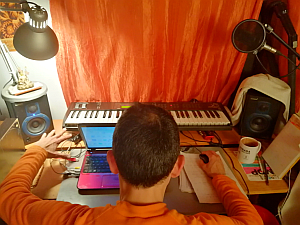 When I put my fingers on the keyboard and chant a mantra or a prayer, I look for "something" in the form of music to surround the voice, but without knowing what "will come". I'm looking at it, I'm finding it as I go along, trying it out, playing, observing what happens, feelings, atmospheres, trying it out. Then maybe something else "comes" to my head and I add it. Actually, the composing process is never finished. Until I say: enough! I record it!
Before recording, I try to evoke the same mental scene: reproduce what occurred to me, to reflect it on the recording. But I can't reproduce it exactly anymore. It's gone... 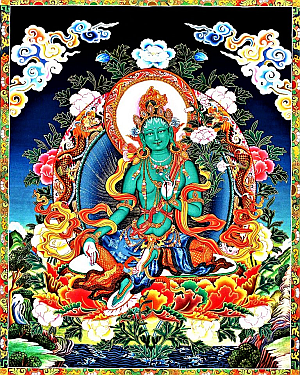 Green Tara "Both women and men have the same spiritual potential and the same capacities for realization.
A long time ago, Tara was a woman who made the promise to attain Buddhahood to benefit beings infinitely. Green Tara and Om Tare Tuttare Ture Soha mantra. The meaning of divinity in Tibetan Buddhism25/2/2023 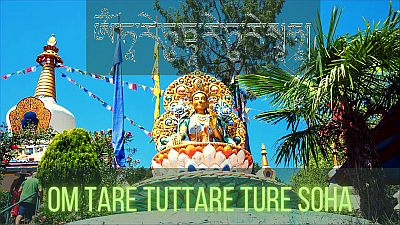 Tara statue at Dag Shang Kagyu buddhist center in Panillo, Spain. Green Tara mantra OM TARE TUTTARE TURE SOHA was the first mantra I learned. The psychotherapist who helped me a few years ago taught me. He recommended reciting him everything I could between the sessions, and since I wanted to be better, I thought: "I have nothing to lose, let's give it a try". I recited it as I traveled by subway, while showering and whenever I could.
"🔸In Tibetan Buddhism, the divinity is not an external, worldly deity, but a divinity that arises within us, it comes from our interior because it is our true nature, the state of Buddha, and therefore establishing a connection with it is of great benefit . By reciting the mantra Om Tare Tuttare Ture Soha we create a connection with Tara, which is our true nature, thus pacifying afflictive emotions and obstacles that we have. |
Dusum SangtongBlog & News Listen on:Escucha en:Escolta a:

Amazon
ArchivesCategories
All
|


 RSS Feed